Did you know that the average American spends over $1,000 per year on protein supplements alone? While protein is essential for a healthy lifestyle, misconceptions surrounding it can lead to unnecessary spending and wasted effort. Let’s debunk five common protein myths that might be costing you more than you think.
Myth 1: You Need Expensive Protein Powders for Muscle Growth
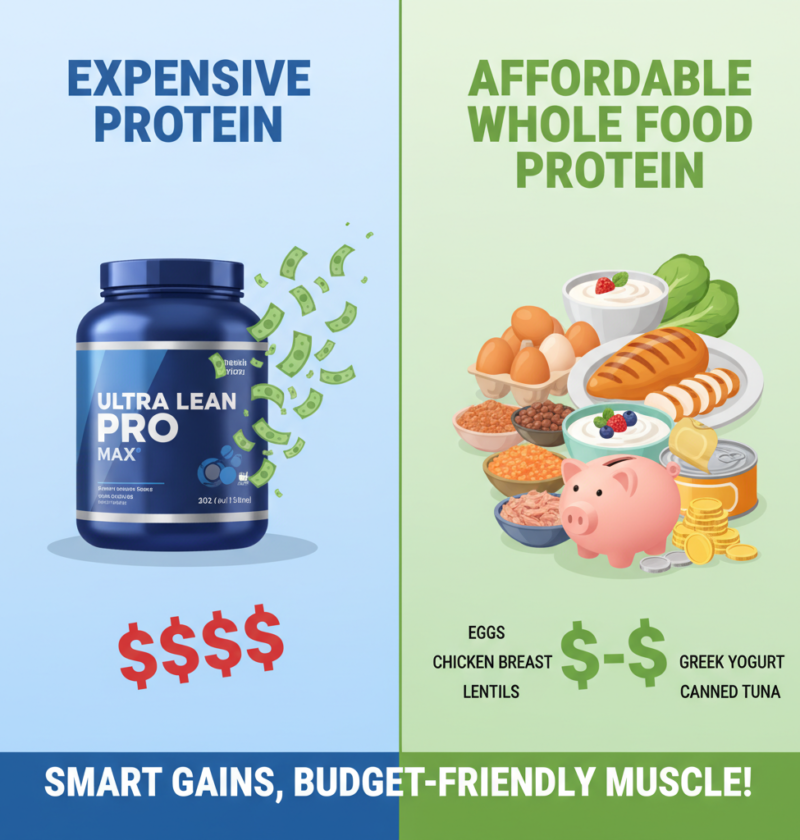
This is perhaps the most pervasive myth. The fitness industry often bombards us with images of athletes chugging colourful tubs of protein powder, implying it’s the only way to build muscle. However, whole food sources are often just as effective, if not more so, and significantly cheaper.
The Science Behind It: Muscle protein synthesis, the process of building muscle, is stimulated by consuming adequate protein, regardless of its source. While protein powders offer convenience, they are essentially concentrated protein derived from foods like whey, casein, soy, or peas. You can achieve the same results by incorporating protein-rich foods into your diet.
Cost-Saving Alternatives:
- Eggs: A powerhouse of complete protein, eggs are incredibly versatile and budget-friendly. One large egg contains about 6 grams of high-quality protein.
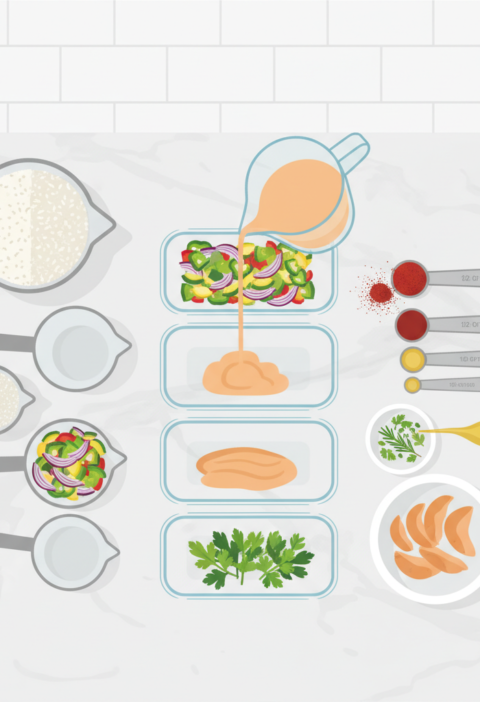
- Chicken Breast and Lean Beef: These are excellent sources of protein and can be bought in bulk and prepared in advance.
- Greek Yogurt: Packed with protein and probiotics, it’s a fantastic snack or breakfast option.
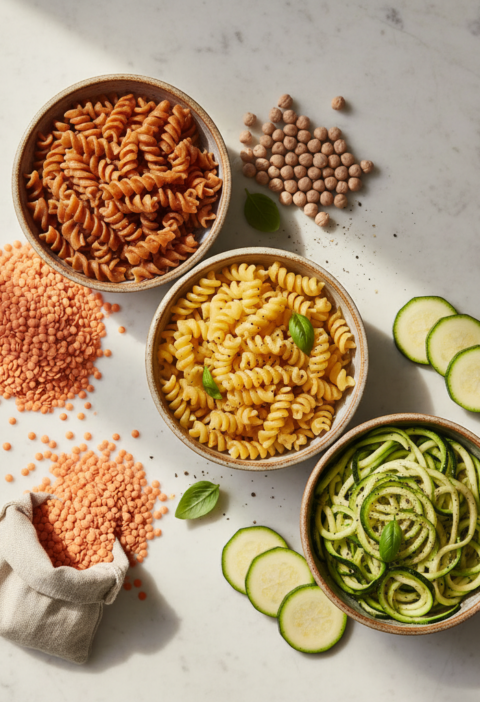
- Legumes: Beans, lentils, and chickpeas are not only high in protein but also rich in fiber and other nutrients, making them very economical.
- Canned Tuna and Salmon: Convenient and shelf-stable, these provide high-quality protein and beneficial omega-3 fatty acids.
By focusing on these whole foods, you can significantly reduce your grocery bill while still meeting your protein needs for muscle development. For a delicious and protein-packed breakfast that doesn’t require powders, check out these Protein Waffles.
Myth 2: More Protein Means Faster Muscle Gain
While protein is crucial for muscle repair and growth, there’s a point of diminishing returns. Consuming excessive amounts of protein doesn’t magically accelerate muscle building; it can actually lead to wasted calories and potential health issues.
Expert Opinion: “Your body can only utilize so much protein at one time for muscle protein synthesis,” says Dr. Anya Sharma, a registered dietitian and sports nutritionist. “Anything beyond that is typically converted to energy or stored as fat. It’s about consistency and sufficiency, not super-sufficiency.”
Recommended Intake: For most active individuals looking to build muscle, a protein intake of 1.6 to 2.2 grams per kilogram of body weight per day is generally recommended. Going significantly beyond this range is unlikely to provide additional muscle-building benefits and can strain your kidneys over the long term. (Source: International Society of Sports Nutrition)
Myth 3: Plant-Based Protein is Inferior to Animal Protein
This myth often stems from the misunderstanding of amino acid profiles. While it’s true that most plant-based proteins are incomplete (meaning they don’t contain all nine essential amino acids in sufficient amounts), this is easily overcome through dietary variety.
The Power of Combination: By eating a diverse range of plant-based foods throughout the day – such as grains, legumes, nuts, and seeds – you can easily obtain all the essential amino acids your body needs. For instance, combining rice and beans creates a complete protein source.
Benefits of Plant-Based Protein: Beyond being cost-effective and environmentally friendly, plant-based proteins are often lower in saturated fat and cholesterol and higher in fiber and antioxidants, contributing to overall health. (Source: Harvard T.H. Chan School of Public Health)
Myth 4: You Need Protein Immediately After Workouts
While consuming protein post-workout can be beneficial for recovery, the idea of a strict “anabolic window” that closes within 30-60 minutes is largely exaggerated for most individuals.
The Reality: For casual exercisers or those not training at elite levels, the timing of protein intake is less critical than overall daily protein consumption. Your muscles remain receptive to protein synthesis for a much longer period. Spreading your protein intake evenly throughout the day is generally more effective than relying on a single post-workout shake.
Focus on Total Intake: Prioritize hitting your daily protein target. If your next meal is within a few hours of your workout, you’ll likely get the necessary protein then. If you find it convenient, a post-workout protein source is fine, but don’t stress if you miss that narrow window.
Myth 5: Protein Bars Are a Healthy Snack
Protein bars can be a convenient way to boost protein intake, but many are laden with sugar, unhealthy fats, and artificial ingredients. They can often be as calorically dense and nutritionally poor as a candy bar.
What to Look For: When choosing a protein bar, read the nutrition label carefully. Opt for bars with:
- Minimal added sugar: Aim for less than 10 grams per bar.
- A good protein-to-calorie ratio: Look for at least 10-15 grams of protein for around 200 calories.
- Whole food ingredients: Ingredients like nuts, seeds, and dried fruit are preferable to artificial sweeteners and hydrogenated oils.
Healthier Alternatives: Often, a simple handful of almonds, a hard-boiled egg, or a small container of Greek yogurt provides more nutritional value with fewer added sugars and less processing.
Conclusion
Navigating the world of protein can be confusing, but by understanding these common myths, you can make smarter choices. Focus on whole, nutrient-dense foods, consume protein consistently throughout the day, and be wary of marketing hype. This approach will not only save you money and time but also contribute to a healthier, more sustainable lifestyle.