Did you know that the average American consumes about 20 pounds of pasta per year? While traditional wheat pasta is a staple in many diets, an increasing number of people are looking for alternatives due to dietary restrictions, health goals, or simply a desire to explore new flavors and textures. Fortunately, the world of pasta alternatives is vast and delicious, offering a range of options that can satisfy your cravings without the gluten or refined carbohydrates.
For those with celiac disease or gluten sensitivity, finding enjoyable pasta dishes is crucial. Gluten-free diets, when well-planned, can be incredibly nutritious and varied. The good news is that many of these alternatives are not only suitable for gluten-free eaters but are also packed with nutrients like fiber, protein, and essential vitamins.
Why Consider a Pasta Swap?
Several factors might lead you to consider alternatives to traditional wheat pasta:
- Gluten Intolerance: Conditions like celiac disease require strict avoidance of gluten, a protein found in wheat, barley, and rye.
- Nutritional Goals: Many pasta alternatives offer higher protein, fiber, or lower carbohydrate content, aligning with specific dietary plans like ketogenic or low-carb diets.
- Digestive Health: Some individuals find that certain grains or starches are easier to digest than wheat.
- Dietary Variety: Exploring different ingredients can add new flavors and nutritional benefits to your meals.
5 Delicious Pasta Alternatives
Here are five fantastic options to swap for your regular wheat pasta:
1. Lentil Pasta
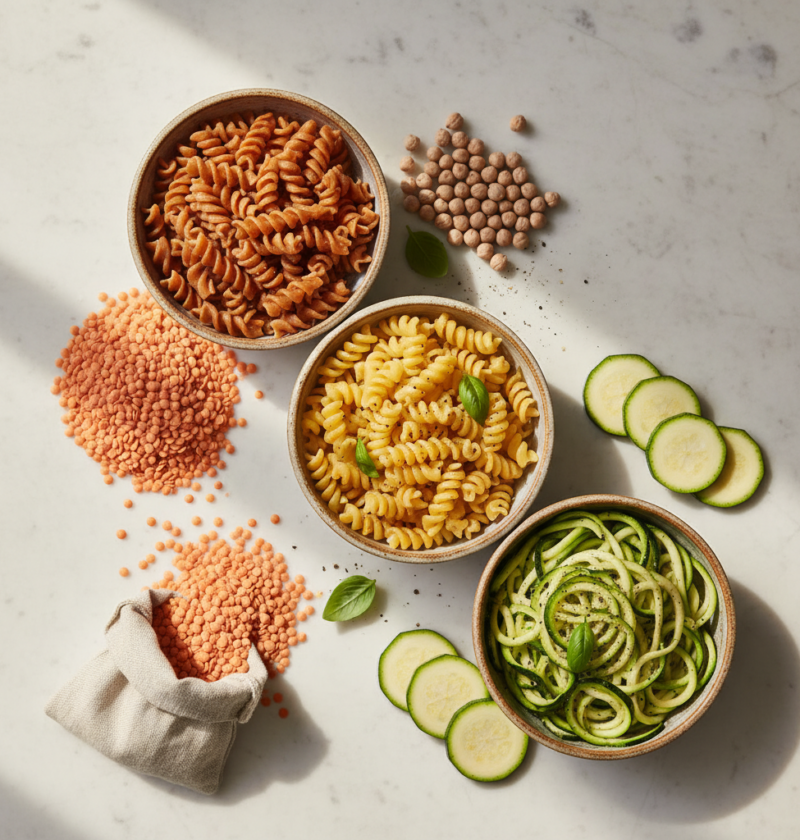
Lentil pasta, made from red or green lentils, is a nutritional powerhouse. It boasts a significantly higher protein and fiber content compared to wheat pasta, making it a very filling option. A 2-ounce serving of lentil pasta can contain around 11-13 grams of protein and 6-8 grams of fiber. It has a slightly earthy flavor and a texture that holds up well to sauces. This is a fantastic choice for anyone looking to boost their plant-based protein intake.
2. Chickpea Pasta
Similar to lentil pasta, chickpea pasta is made from chickpea flour and is a great source of plant-based protein and fiber. It’s naturally gluten-free and often has a milder flavor than lentil pasta, making it a crowd-pleaser. It cooks up to a pleasant al dente texture and pairs beautifully with a wide variety of sauces, from a simple marinara to a creamy pesto.
3. Zucchini Noodles (Zoodles)
For a low-carbohydrate and vegetable-forward option, zucchini noodles are a fantastic choice. Made by spiralizing zucchini, these “noodles” are incredibly versatile and can be eaten raw or lightly sautéed. They absorb flavors wonderfully and are a light, refreshing alternative to traditional pasta. While they don’t offer the same protein content as legume-based pastas, they are rich in vitamins like Vitamin C and Vitamin B6.
4. Spaghetti Squash
Spaghetti squash is a winter squash that, when cooked, separates into strands that resemble spaghetti. It has a mild, slightly sweet flavor and a texture that is distinct yet satisfying. Roasting or baking the squash is the most common method of preparation. It’s naturally gluten-free and provides a good source of fiber and vitamins A and C.
5. Shirataki Noodles
Shirataki noodles, also known as konjac noodles, are made from the konjac plant’s fiber. They are almost entirely composed of water and fiber, making them extremely low in calories and carbohydrates. This makes them a popular choice for those following very low-carb or ketogenic diets. They have a neutral taste and a slightly chewy texture, and it’s important to rinse them thoroughly before cooking to remove any residual odor.
Frequently Asked Questions
What is gluten?
Gluten is a group of proteins found in wheat, barley, and rye. It gives dough its elasticity and helps baked goods hold their shape. For individuals with celiac disease or gluten sensitivity, consuming gluten can lead to digestive distress and other health issues.
Are all pasta alternatives gluten-free?
Not necessarily. While many popular alternatives like lentil, chickpea, zucchini, and spaghetti squash are naturally gluten-free, it’s always important to check the packaging of any commercially produced pasta to ensure it is certified gluten-free, especially if you have celiac disease. Some processed gluten-free pastas might also be made from a blend of grains, so reading labels is key.
How do the nutritional profiles of these alternatives compare to wheat pasta?
Generally, legume-based pastas (lentil, chickpea) offer more protein and fiber than wheat pasta. Vegetable-based alternatives like zucchini noodles and spaghetti squash are much lower in calories and carbohydrates and higher in vitamins and minerals. Shirataki noodles are exceptionally low in calories and carbohydrates due to their high water and fiber content. Wheat pasta is a good source of complex carbohydrates and some B vitamins.
Can I use these alternatives in any pasta recipe?
For the most part, yes! Lentil and chickpea pastas can usually be substituted 1:1 for wheat pasta in most recipes. Vegetable noodles like zoodles and spaghetti squash offer a lighter, fresher base for dishes. Shirataki noodles work best in stir-fries or dishes where their unique texture can be appreciated. Some experimentation might be needed to find your favorite pairings.
Where can I find gluten-free crescent rolls?
If you’re looking for gluten-free baked goods to complement your meals, you might be interested in gluten-free crescent rolls. These can be a delightful addition to a meal, especially when paired with hearty pasta dishes.
Are there any drawbacks to these pasta alternatives?
Some alternatives, like shirataki noodles, have a unique texture that might not appeal to everyone. Legume-based pastas can sometimes be more expensive than traditional wheat pasta. Additionally, while vegetables like zucchini and spaghetti squash are healthy, they don’t provide the same carbohydrate energy as traditional pasta if that is a dietary requirement.