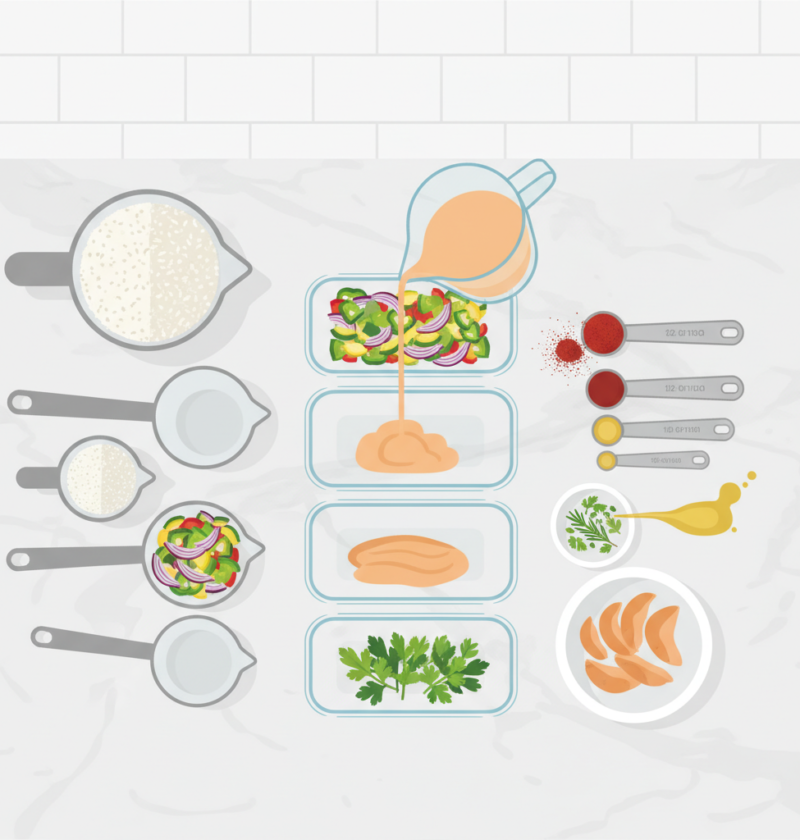
Did you know that a single cup of flour can vary in weight by as much as 20% depending on how it’s measured?. This highlights the critical importance of accurate measuring in baking and cooking. When a recipe calls for a specific amount, precision matters. One common conversion that often trips up home cooks is understanding how many tablespoons are in a half cup.
Why Accurate Measuring is Key
In culinary arts, consistency is king. Whether you’re a beginner or a seasoned chef, using the right measuring tools ensures that your dishes turn out as intended. For instance, the difference between too much and too little leavening agent can drastically alter the texture and rise of your baked goods. Similarly, the balance of sweet and savory in a sauce can be thrown off by imprecise measurements of key ingredients.
The 1/2 Cup to Tablespoon Conversion
The standard U.S. customary measurement system dictates that:
- 1 cup = 16 tablespoons
Therefore, to find out how many tablespoons are in 1/2 cup, you simply divide the total tablespoons in a cup by two:
16 tablespoons / 2 = 8 tablespoons
So, 1/2 cup is equal to 8 tablespoons. This is a fundamental conversion that every cook should have in their repertoire. For a deeper dive into other common conversions, you might find our guide on how many tablespoons in 3/4 cup helpful.
Top 5 Measuring Spoons for Precision
While knowing the conversion is essential, having the right tools makes the process seamless. Here are five types of measuring spoons that can help you achieve spot-on results:
1. Standard Stainless Steel Measuring Spoons
These are the workhorses of any kitchen. Look for sets that are clearly marked with both U.S. customary and metric measurements. Stainless steel is durable, won’t retain odors or flavors, and is easy to clean. A good set typically includes:
- 1 tablespoon
- 1 teaspoon
- 1/2 teaspoon
- 1/4 teaspoon
Some sets also include larger or smaller increments, which can be very useful.
2. Adjustable Measuring Spoons
An adjustable measuring spoon is a fantastic space-saver and offers flexibility. It features a sliding mechanism that allows you to measure various amounts within a range. For example, one adjustable spoon might cover everything from 1 tablespoon down to 1 teaspoon. This is particularly handy for recipes that call for less common measurements.
3. Nested Measuring Spoons with Levelers
For dry ingredients like flour and sugar, a level measurement is crucial. Some measuring spoon sets come with built-in levelers, or you can purchase a separate leveling tool. This ensures you’re not packing too much ingredient into the spoon, which can lead to inaccuracies.
4. Liquid Measuring Cups with Tablespoon Increments
While not strictly measuring spoons, some liquid measuring cups have markings for tablespoons. This can be useful for measuring smaller amounts of liquid ingredients accurately. However, for dry ingredients, always use dry measuring cups or spoons.
5. Digital Measuring Spoons
For the ultimate precision, especially in baking where precise ratios are critical, a digital measuring spoon is invaluable. These spoons weigh your ingredients, eliminating the guesswork associated with volume measurements. This technology is particularly beneficial for bakers who aim for professional-level consistency.
Conclusion
Mastering basic conversions like 1/2 cup to 8 tablespoons is a fundamental skill for any home cook. Coupled with the right measuring tools, you can ensure your recipes are consistently delicious and successful. Investing in a quality set of measuring spoons will pay dividends in your culinary adventures, leading to better-tasting food and a more enjoyable cooking experience.