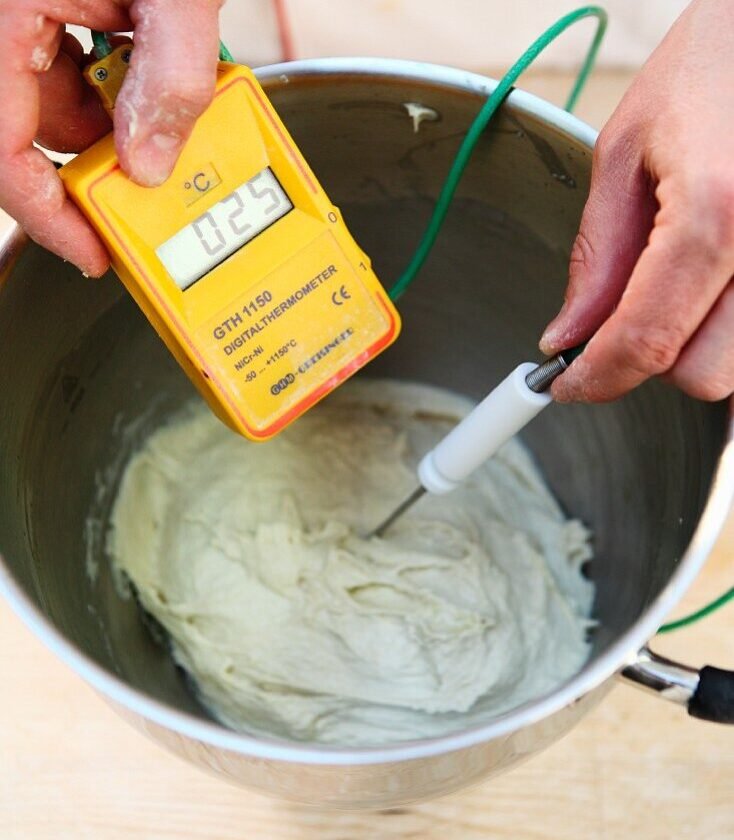
Have you ever followed a recipe from another country and ended up with burnt cookies or undercooked chicken? Chances are, a temperature conversion error might’ve been to blame! While converting between Celsius and Fahrenheit may seem like simple math, accurate temperature conversion actually plays a huge role in our daily lives—and even in global industries.
From healthcare to engineering, precision in temperature measurement ensures safety and consistency. For example, medical professionals rely on exact temperature conversions when storing vaccines or medications. Even a small miscalculation can mean the difference between a safe dose and a spoiled batch.
In science and technology, the stakes are even higher. Engineers, meteorologists, and researchers often work across different measurement systems. A simple mix-up between Fahrenheit, Celsius, and Kelvin could lead to massive errors—like what happened with NASA’s Mars Climate Orbiter, which was lost because of a unit conversion mistake.
Even in our kitchens or while checking the weather abroad, getting the conversion right helps us stay informed and make better decisions. Accurate temperature conversion keeps the world running smoothly—connecting global systems, industries, and people through one universal goal: precision.
Related: 190 C to F
So, next time you reach for a temperature converter, remember—it’s not just about numbers; it’s about accuracy, safety, and success.
In short: Whether it’s a spacecraft or a soufflé, accuracy matters!