In kitchens around the world, two layered staples commandeer the stove, the table, and the conversation: moussaka and lasagna. Though both are built on a framework of layered ingredients and baked to a bubbling finish, they belong to distinct culinary lineages and bring different textures, flavours, and cultural textures to the plate. A closer look reveals not only differences in ingredients and technique but also in history, regional variations, and the comfort they offer.
Origins and cultural arc
- Lasagna, in its most celebrated form, hails from Italy, with early references dating to the Middle Ages. The modern interpretation—layered sheets of pasta, ricotta or béchamel, meat ragù, and cheese—became a national emblem of Italian cuisine and, by extension, a global symbol of hearty, shareable meals. The dish’s popularity surged with the rise of the postwar Italian-American dining scene, where simpler, accessible ingredients like ground beef, tomato sauce, and mozzarella helped it become a household favourite.
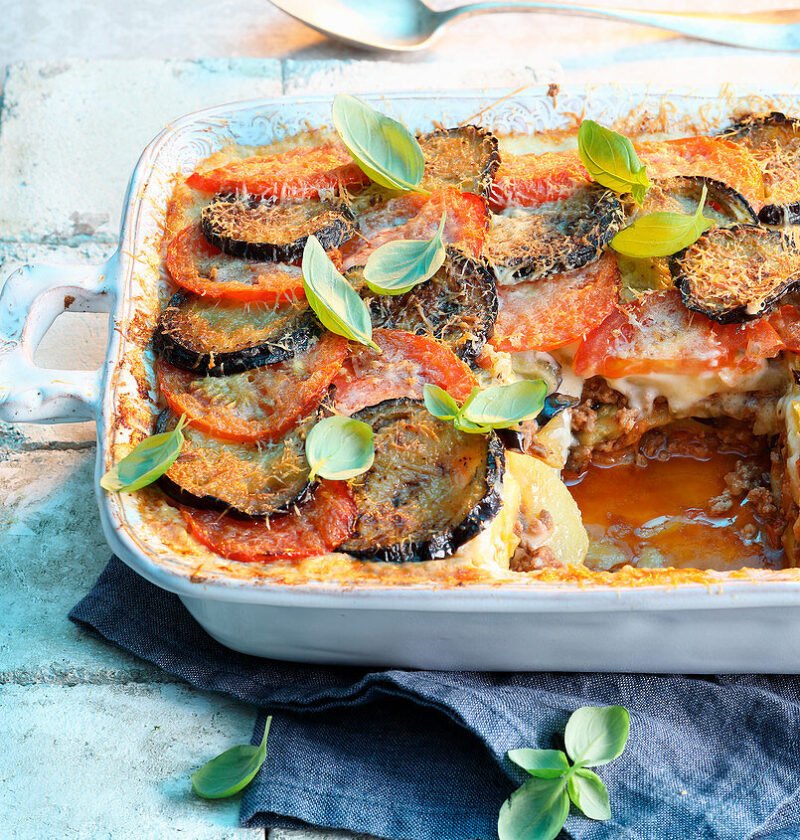
- Moussaka, by contrast, is a cornerstone of Greek and broader Balkan cuisine, boasting a lineage that blends ancient culinary practices with Ottoman influences. The dish most people recognise features layers of roasted eggplant, a spiced meat filling (often lamb), and a rich béchamel topping. The use of eggplant as a primary texture vehicle is a defining trait, along with warm aromatic spices such as cinnamon, allspice, and oregano that echo regional pantry staples.
Key ingredients and textures
-
Pasta and starch foundation:
- Lasagna relies on wide, flat pasta sheets that become tender and elegantly chewy as they absorb sauce. In many iconic American and Italian homes, the dish uses no-boil sheets or boiled sheets that are layered with fillings.
- Moussaka centres on eggplant as the structural layer, with some versions also incorporating potatoes. The eggplant’s roasted, creamy interior contrasts with the meat filling, offering a softer, silkier bite.
-
Meat and sauce dynamics:
- Lasagna’s ragù can vary from a classic ground beef and pork combination to richer variations with sausage or veal. Tomato-based sauces provide brightness and acidity to cut through the richness of cheeses like ricotta, mozzarella, and Parmesan.
- Moussaka uses a spiced ground meat mixture, typically lamb, enriched with onions, garlic, and herbs. The spices—often cinnamon, nutmeg, allspice, and bay leaves—add a warm, savoury depth that differs markedly from Italian aromatics.
-
Cheese and dairy:
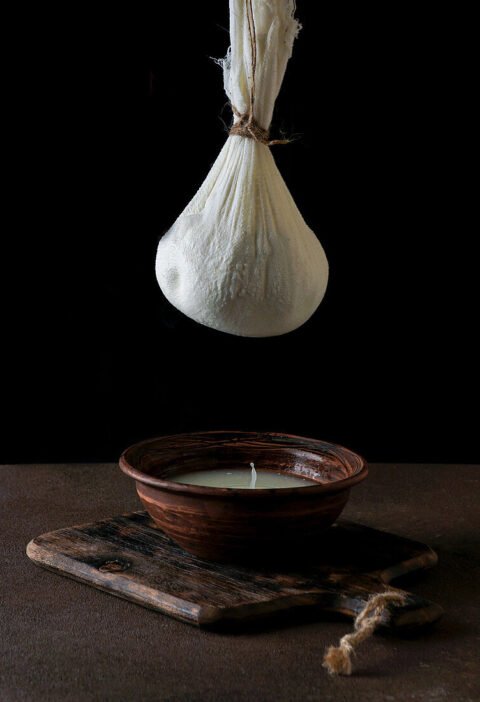
- Lasagna commonly features ricotta or béchamel (white sauce), layered with mozzarella and Parmesan. The cheese balance emphasises a melty, stretchy texture and a slightly sweet dairy profile.
- Moussaka’s top layer is usually béchamel, sometimes enriched with egg and a hint of nutmeg, which creates a creamy crown that browns beautifully in the oven, lending a custardy finish.
Flavour profiles and technique considerations
- Lasagna flavour palette tends toward bright acidity from tomato, the fats in ground meat, and the melted, cohesive cheese blanket that binds layers. The dish shines in its ability to layer flavours—herbs like oregano, basil, and thyme interplaying with garlic and onions, punctuated by the tang of tomato and the richness of cheese.
- Moussaka brings a warm spice cabinet forward. The eggplant offers a creamy, occasionally smoky bite when roasted or grilled, and the meat filling carries cumin- and cinnamon-like warmth. The béchamel top finishes the dish with a soft, custard-like layer that contrasts with the eggplant’s more robust, sometimes crisp edges.
Regional variations and modern twists
-
Lasagna:
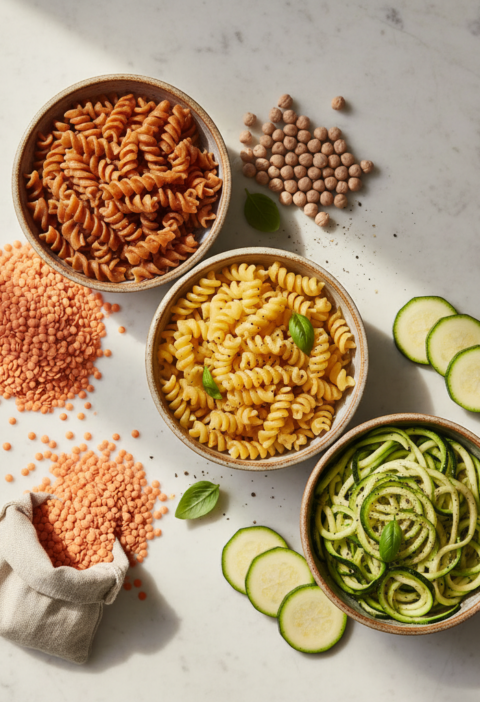
- In Italy, regional riffs range from the use of ragù alla Bolognese in Emilia-Romagna to white sauces featuring besciamella in Naples or Calabria’s pepper-forward heat. Some versions employ sheets of pasta, while others experiment with zucchini ribbons or other vegetables for a lighter approach.
- In the United States and other parts of the world, “lasagna” often means a hearty, multi-cheese, meat-forward casserole with a robust tomato sauce and a high cheese-to-sauce ratio, reflecting local tastes and ingredient availability.
-
Moussaka:
- Greek moussaka has multiple regional iterations. A common approach features eggplant roasted to a deep, caramelised edge, a lamb or beef filling seasoned with onion, garlic, and cinnamon, and a béchamel crown. Some versions include béchamel with egg yolk for extra richness, and a few nods to the broader Mediterranean pantry—garlic-lemon, parsley, or mint—appear in finishing touches.
- The Turkish “musakka” variant and other Balkan versions adjust the spice blend and layering, sometimes substituting zucchini or potato for eggplant or supplementing the meat layer with a tomato-based sauce or mushrooms.
Serving context and pairing ideas
- Lasagna reads as a festive centrepiece, ideal for family gatherings, Sunday dinners, and potlucks. It travels well, reheats nicely, and virtually invites a crowd to portion and share. Pairings tend toward red wines with good acidity or medium-bodied profiles, such as Chianti, Sangiovese, or Merlot, depending on the meat sauce’s richness. A crisp green salad balances the meal, with bread to mop up sauce.
- Moussaka shines in casual, celebratory meals and is well-suited for group feasts where multiple courses flow from a single oven-friendly dish. It pairs nicely with lighter white wines or a medium-bodied red with spice-friendly notes, such as a Greek Agiorgitiko or a Chardonnay with oak nuance. A fresh cucumber-yoghurt sauce or a simple lemon-dill salad can brighten the plate and offer a refreshing contrast to the dish’s warmth.